Dragon fruit e-liquid, the listing terms decoded

Search for a dragon fruit e-liquid and almost every result is a shop listing. Each one stacks its own terms, pitaya or dragon fruit, ice, nic salt, 50 ml in a 60 ml bottle, a concentrate rated at 5 to 10%, without always saying what they cover. Two listings for the same fruit can end up looking like two different products. This glossary entry takes those words one at a time, from the name of the fruit to the figures printed on the bottle.
Dragon fruit e-liquid, the definition
A dragon fruit e-liquid is an e-liquid whose main flavour recreates pitaya, the other name for dragon fruit. It is made of a propylene glycol (PG) and vegetable glycerine (VG) base, food-grade flavourings and, depending on the bottle, nicotine.
The fruit has a reputation for being subtle. One retailer guide compares it to a kiwi without the sharpness, which is why it so often shares the bill with strawberry, blackcurrant or lychee. The term covers both a ready-to-vape bottle and a flavour concentrate for DIY mixing, two products that are used in completely different ways.
The names of the fruit on the label
The same fruit travels under several names, and a listing from a European maker may mix languages. Linking them saves you from assuming there are two flavours when there is only one.
Pitaya, dragon fruit and fruit du dragon
Pitaya and dragon fruit name the same fruit, and fruit du dragon is simply the French for it. One shop may title its section dragon fruit, another write pitaya in the name of a concentrate, and the recipe stays in the same family.
Dragon without the fruit
The word dragon also works as a hook in recipe names. In a list of 23 concentrates filed under dragon fruit, you find Dragon Rouge, Dragon Grenade or Navy Dragon, alongside names that suggest no fruit at all. Only the product description says whether pitaya is in the recipe, and how far up.
Ice, freeze and cool, the cooling terms
Part of the range pairs dragon fruit with a cold sensation. Three families of words flag it, and a fourth line on some listings states the opposite.
Ice, freeze and chilled
Ice, freeze and chilled point to a cooling agent added to the recipe. One French maker even uses Freeze as a range name, with products such as Freeze Fruit du Dragon Serpent, while its menu files these recipes under Fresh. The word describes a sensation on the tongue and in the throat, not a flavour.
The cooling line, yes or no
Some listings carry a dedicated line for cooling, filled in with yes or no. One 50 ml dragon fruit listing simply answers no. A plain dragon fruit e-liquid can therefore be spotted from that line, or from the absence of any ice or freeze word in its name.
The format terms
Volume, fill and nicotine strength do not read the same way on every type of bottle. The format vocabulary tells you what is actually inside at the point of purchase.
Ready to vape in 10 ml
A ready-to-vape liquid is used as it comes. In the UK, a nicotine-containing refill container holds no more than 10 ml, and nicotine strength is capped at 20 mg/ml. The strength is therefore chosen when you pick the bottle.
Fill and bottle size
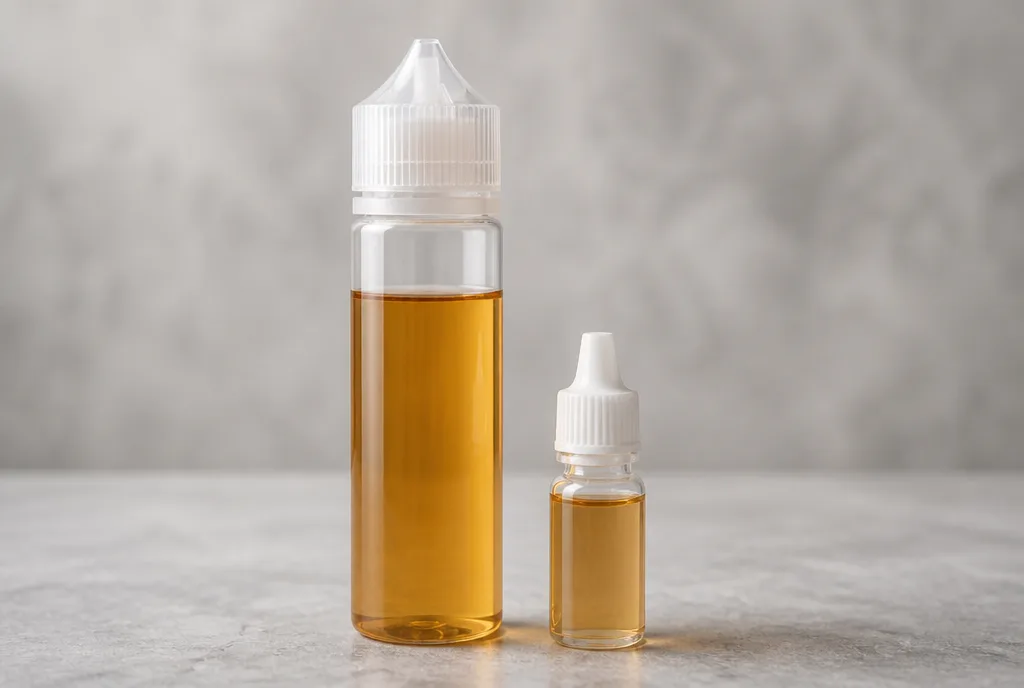
A shortfill is sold nicotine-free, in a bottle larger than the liquid inside. A single 50 ml listing shows a quantity of 50 ml and a capacity of 60 ml, the quantity meaning the liquid and the capacity the bottle. The headroom takes a nic shot, a 10 ml vial of nicotine poured in before shaking.
The nic shot ladder
The same listing sets out a ladder of one to five shots, from 60 ml at 3.3 mg/ml up to 100 ml at 10 mg/ml, which assumes shots at 20 mg/ml. How the real strength is worked out, and why a figure gets rounded, is covered in the entry on Crazy Labs e-liquid and its shortfills.
What UK rules say about a dragon fruit e-liquid’s ingredients
The ingredients of a nicotine e-liquid are not left entirely to the maker. The gov.uk guidance on e-cigarette regulations for consumer products sums up the Tobacco and Related Products Regulations 2016 that apply to nicotine-containing vaping products.
Alongside the 10 ml and 20 mg/ml limits, those rules ban certain ingredients, including colourings, caffeine and taurine. For a fruit so often pictured in vivid pink, that point matters. The colour on the box or in the product photo says nothing about what is in the liquid, since a colouring is one of the ingredients a nicotine e-liquid cannot contain.
The base still makes up most of the bottle. Propylene glycol and vegetable glycerine form the bulk of the liquid, and the flavourings come in far smaller amounts. On most labels, the first figure of the printed ratio gives the share of PG, a notation explained in the entry PG VG explained.
A shop listing does not always reproduce the full ingredients. One 50 ml listing simply gives dragon fruit as its only flavour, a 50/50 ratio and France as its origin. The complete list is then on the bottle or its packaging, and that is where it should be checked.
Concentrate and flavour, the DIY vocabulary of dragon fruit
Home mixing uses a vocabulary of its own. A dragon fruit concentrate for DIY is not a liquid to vape, and its figures say nothing about nicotine.
Flavour, concentrate and bottle size
In a section of 23 products devoted to dragon fruit, every title opens with the word flavour, followed by a size of 10 or 30 ml. The word concentrate only shows up in the page addresses. On that shelf, the two terms mean the same product, a heavily loaded flavouring to be diluted in a base.
Mixing rate and steeping
The mixing rate is the percentage of concentrate in the finished recipe. On that same list it runs from 5 to 20%, sometimes as a range (5 to 10%, 10 to 15%). Steeping is the resting time advised before vaping the mix. Listings give it anywhere from 48 hours minimum to 15 days minimum depending on the concentrate, a spread that rules out applying one bottle’s timing to another.
FAQ
These questions cover terms you meet when reading listings, without going back over what came before.
What does a dragon fruit vape taste like?
Retail descriptions present it as mild, sweet and lightly exotic, close to a kiwi without its tang. That softness is why makers tend to add a second fruit or a cooling agent, and why the name of the partner fruit often says more than the word dragon.
Why does a listing show two volumes?
On a shortfill, one figure describes the liquid supplied and the other the bottle. The gap is the space left for nicotine, one 10 ml shot in the case of a 50 ml fill in a 60 ml bottle.
Is glycerol the same as vegetable glycerine?
Yes. One shop writes glycerol, another vegetable glycerine or simply VG, and all three name the same part of the base, the one that thickens the liquid and gives denser vapour.
What does a mixing rate given as a range mean?
The maker sets out a band rather than a single figure. The lower value gives a lighter flavour, the higher one a stronger profile, and the concentrate’s own listing remains the only reference for that recipe.
What is the difference between a nic shot and nic salt?
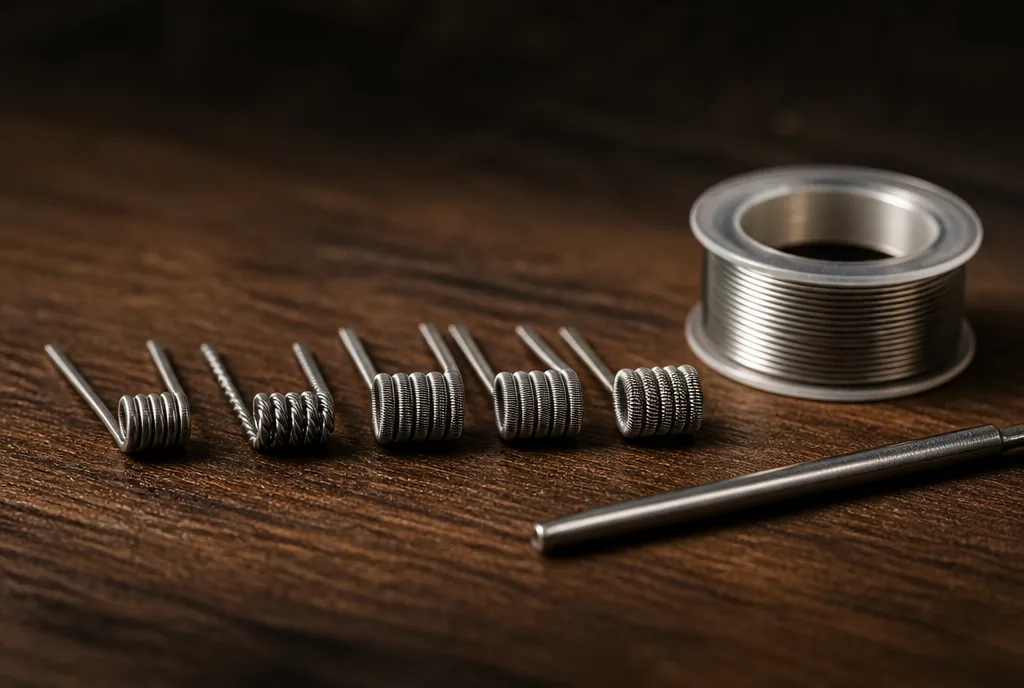
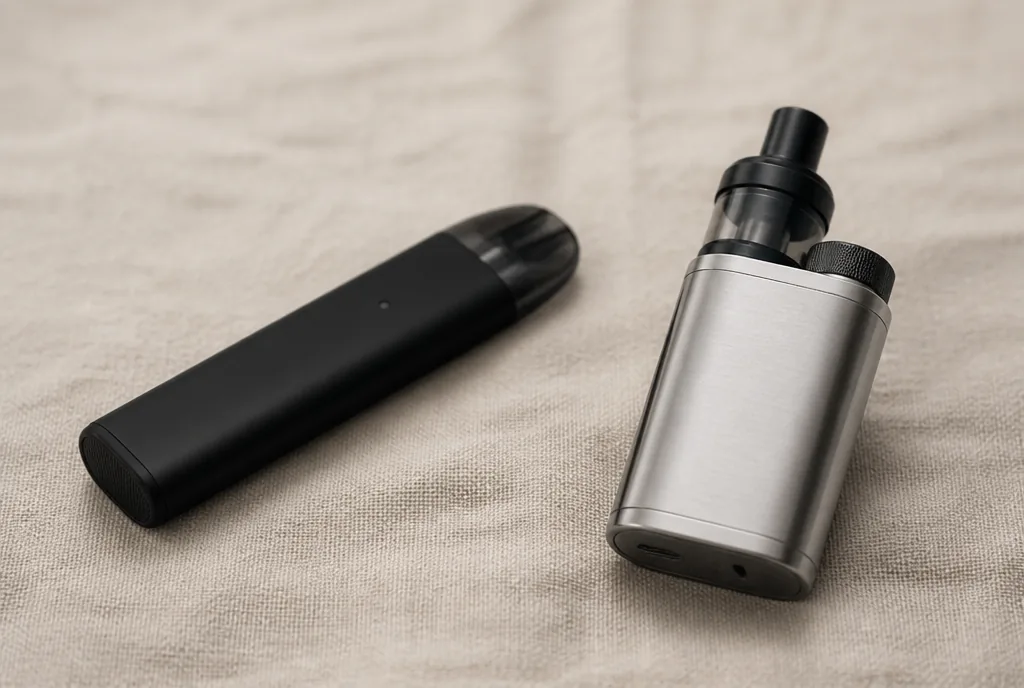
A nic shot is a container, a 10 ml vial added to a shortfill. Nic salt is a chemical form of nicotine, sold in ready-to-vape bottles and in shots alike. It mainly suits low-power kits, and how the coil inside them works is covered in the entry on the vape coil.
Dragon fruit e-liquid, reading the listing word by word
Pitaya and dragon fruit name the same fruit, ice and freeze flag a cooling agent, and the fill of a shortfill reads separately from its bottle size. In the UK, a nicotine e-liquid cannot contain colourings, whatever shade the packaging shows.
That vocabulary is enough to compare two dragon fruit e-liquid listings without being misled by a recipe name. The other glossary entries break down the terms of hardware and e-liquids in the same way.
Related reading
- Crazy Labs e-liquid, the French brand decoded
- PG VG, reading the ratio on an e-liquid
- Vape coil, what the word really means
Editorial content for adult readers only. Vaping products can contain nicotine, which is a highly addictive substance. Vaping products are not for sale to anyone under 18 in the UK. This article is not a buying recommendation.
 01
 02
 03